
As an Amazon Associate I earn from qualifying purchases. This post may contain affiliate links, which means I may receive a commission for purchases made through these links at no extra cost to you.
Searching for the ultimate Barronium motorcycle lock? With battery-powered angle grinders now recorded as the ‘weapon of choice’ for modern thieves, it is no surprise that traditional hardened steel is no longer enough to protect your expensive ride. Whether you ride a gas-powered motorcycle or a heavy electric cargo bike, the security industry has had to evolve.
The latest innovation to stop thieves in their tracks is the Barronium composite technology, featured in the LITELOK X MOTO and LITELOK X3. But do these premium locks live up to the hype, and how do they fit into your security setup? Let’s break it down.
What is the Most Secure Motorcycle Lock?
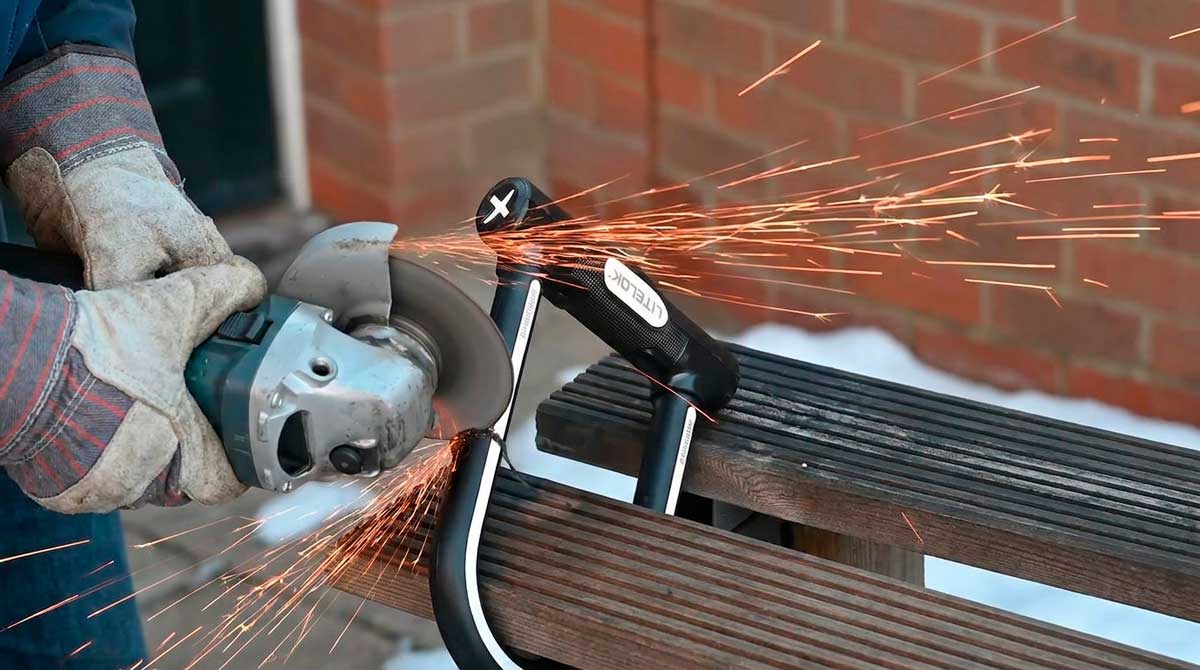
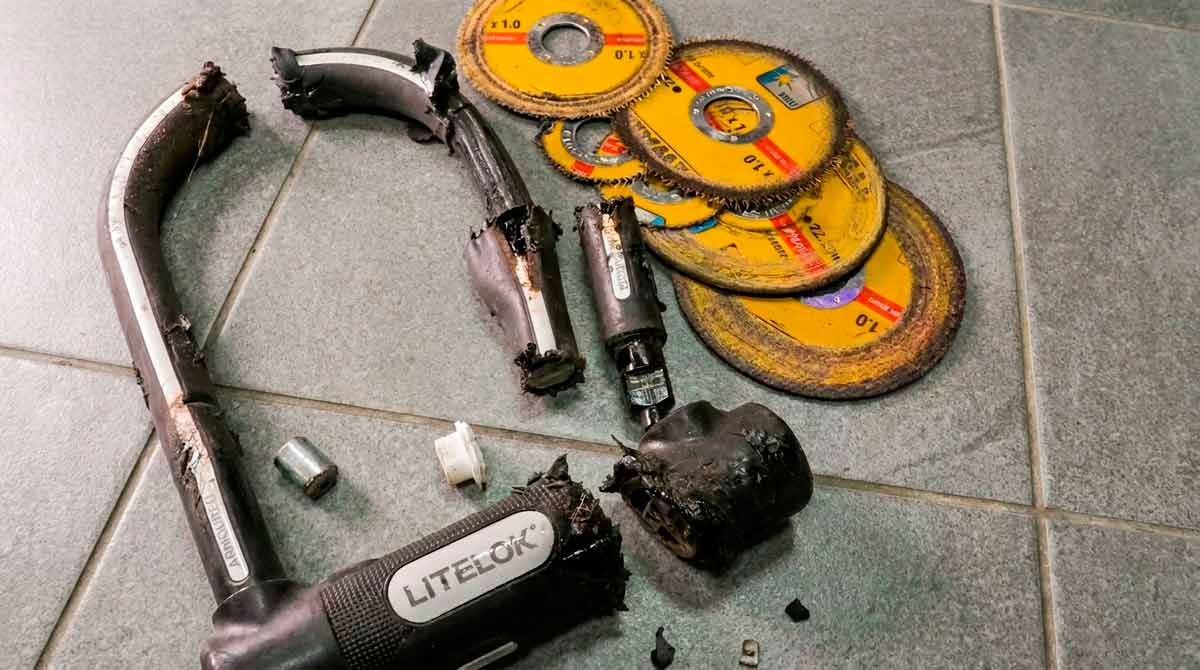
When looking for maximum security, you need a lock that actively fights back against power tools. While standard locks just delay the inevitable, locks armed with Barronium technology actually destroy the angle grinder discs. For anyone parking a valuable bike in high-risk urban areas, a Barronium-equipped D-lock is currently the gold standard in portable security. (Curious about the material science? Read our complete Grinder-Proof Bike Locks & Barronium Guide to see how it works).
How Strong is Barronium? The “Triple Layer” Anatomy
Developed over five years with the support of Innovate UK, Barronium is a fused composite armour that offers unparalleled resistance without the extreme weight of pure steel chains. Manufacturers state this technology is up to 15 times more secure than traditional high-end D-locks.
The Anatomy of Protection:
- The Core: A high-tensile, fine-grain steel core designed to resist bolt cutters and massive leverage attacks.
- The Armour: The patented Barronium layer bonded to the core. It is designed to wear down grinder discs, forcing thieves to change multiple discs and batteries to make a single cut.
- The Outer Layer: A soft, eco-rubber protective coating that prevents the lock from scratching your motorcycle’s paint or rims.
“I’m incredibly excited to have reimagined the popular D-lock format with innovative design features and our own technology Barronium™, which provides the ultimate in angle grinder resistance. The range was put through extensive tests, breaking discs and grinders in the process. It’s light, secure and incredibly strong. I believe it’s a gamechanger and unlike anything else on the market.”
Professor Neil Barron, Founder & CEO of Litelok
Comparison: Barronium vs. Standard Protection
To understand why the X-series is different, let’s compare the specifications of the most popular models for motorcycles and heavy e-bikes.
| Feature | Litelok X1 Moto | Litelok X3 | Standard D-Lock |
|---|---|---|---|
| Material | Barronium™ Composite | Barronium™ (Extra Thick) | Hardened Steel |
| Grinder Resistance | High (Multiple Discs) | Ultimate (5+ Discs) | Low (Under 60 seconds) |
| Shackle Profile | ~16 mm total | ~24 mm total | 13 – 16 mm |
| Weight | 1.7 kg | 2.1 kg | 1.5 – 2.5 kg |
| Internal Width | 101 mm (Moto Optimized) | 100 mm | Varies (Usually 80-95mm) |
| Certification | Sold Secure Moto Diamond | Sold Secure Moto Diamond | Usually Gold or Silver |
Dimensions and Clearance: Will It Fit Your Wheel?
A major pain point for riders is that some high-security locks don’t fit around all motorcycle wheels. Litelok addressed this with the X1 Moto. It features a significantly longer and wider shackle compared to standard bicycle versions, providing the necessary clearance for thicker rims, wide spokes, and massive brake discs.
Is the Baronium motorcycle lock good for disc protection?
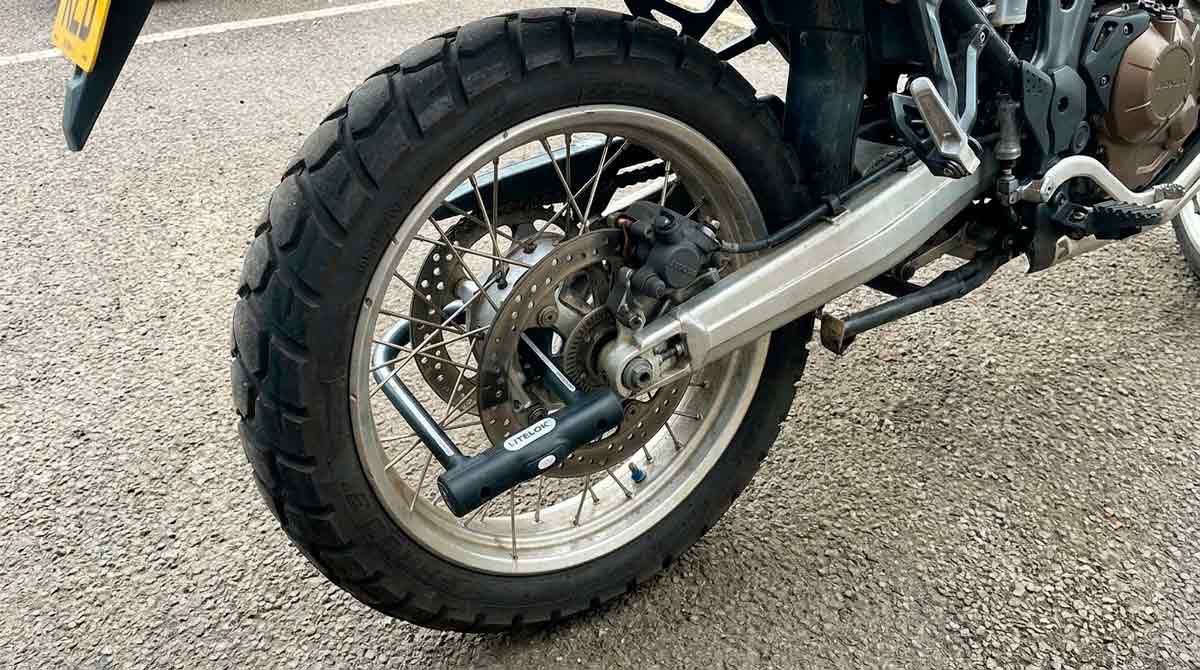
Absolutely. Using a Baronium X1 motorcycle lock as a dedicated front-wheel disc lock is one of the smartest ways to use it. You slip the shackle directly through your brake disc. Because it is much larger than a standard disc lock, it is highly visible to thieves, acting as a massive visual deterrent before they even turn on their grinder.
The “Hybrid” Security Setup: SafeRide Steve’s Recommendation
If you check forums like Reddit, experts often debate whether one lock is enough. For overnight street parking, I recommend the Hybrid Method:
- Front Wheel: Use a Barronium D-lock (Litelok X3) as a dedicated disc lock. It’s highly visible and almost impossible to cut on the spot.
- Rear Wheel & Frame: Use a heavy-duty 14mm or 16mm hardened steel chain to anchor the bike to an immovable object.
SafeRide Steve’s Real-World Warning: The shackle on the X-series is wide enough to act as a padlock for a 16mm chain. However, if you plan to pass the lock through both chain links AND a thick part of your bike’s frame, the fit can be extremely tight. Always measure your clearance first!
Does a Barronium chain exist?
Because of how effective the material is, I see a lot of people searching for a “Barronium chain”. Let’s bust this myth right now: No, there are currently no chains made of Barronium. Due to the complex fusion process required to bond the composite to the fine-grain steel core, this technology is currently only available in rigid D-lock (U-lock) formats. If you need a chain, you will have to stick to traditional hardened steel.
Insurance and Peace of Mind
If you are buying a lock to satisfy insurance requirements, Barronium locks are the way to go. Both the X1 Moto and X3 hold Sold Secure Motorcycle Diamond and ART4 ratings, which are essential for high-value motorcycle insurance policies in the UK and Europe.
SafeRide Steve’s Final Verdict
Barronium isn’t just marketing – it’s a material science breakthrough. While the price is higher than standard locks, it is a one-time investment that pays for itself the first time a thief sees the logo and decides your bike isn’t worth the effort. For heavy e-bikes and motorcycles, the Litelok X1 Moto offers the best balance of “fit” and “forget” security.
Ready to upgrade your security?
Check the latest prices and availability for the Litelok X-series below:
What’s your current security setup for your motorcycle or e-bike? Drop a comment below, and let’s discuss!